
Personal loans can be powerful financial tools when used wisely. Whether you need to consolidate debt, handle an emergency, or invest in your future, understanding when a personal loan makes sense can save you from high-interest pitfalls and financial stress. In 2025, as interest rates fluctuate and loan products become more diversified, knowing the right time to apply for a personal loan is essential. In this article, we’ll dive into five key signs that a personal loan might be the right move for your financial situation.
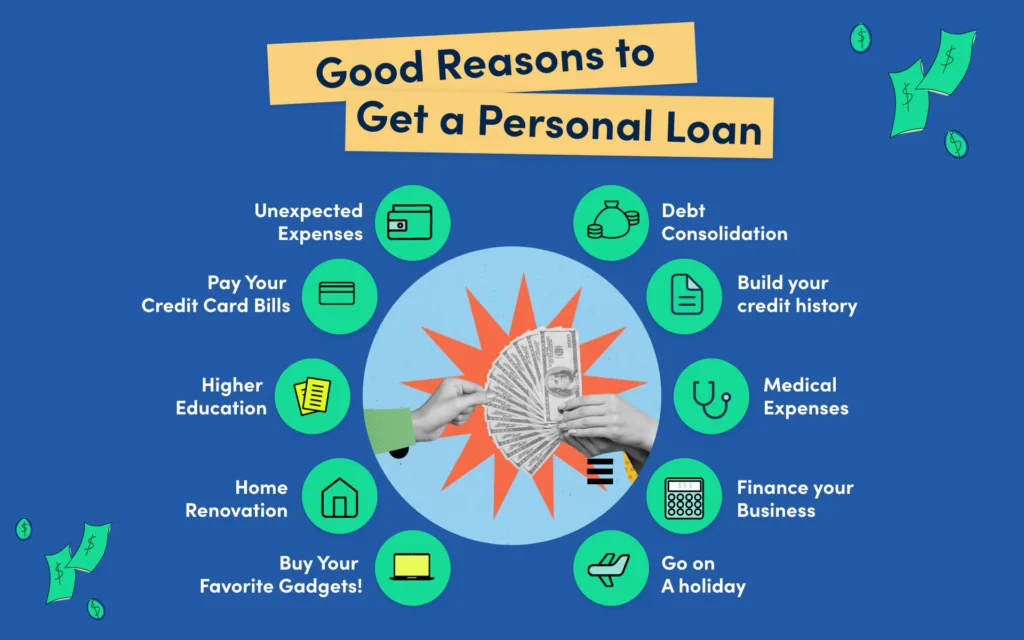
1. You’re Drowning in High-Interest Debt
If you’re juggling multiple credit card balances or other high-interest debts, a personal loan could be your lifeline.
Why it matters:
- Credit cards often carry interest rates over 20%, making it hard to pay off balances.
- A personal loan usually offers a lower fixed interest rate, predictable monthly payments, and a set repayment term.
Benefits of consolidating with a personal loan:
- Simplifies repayment into one monthly payment
- Lowers your overall interest rate
- May improve your credit score by reducing your credit utilization ratio
Tip: Use a debt consolidation calculator to see how much you could save.
2. You’re Facing a Major Unplanned Expense
Emergencies can strike without warning—medical bills, car repairs, or unexpected travel. If your emergency fund isn’t enough to cover the cost, a personal loan can help you avoid worse financial options like payday loans.
Why personal loans are better than alternatives:
- Lower APRs than credit cards or payday loans
- No collateral required (unsecured loan)
- Fixed repayment schedule
Tip: Compare multiple lenders and look for no prepayment penalties so you can pay it off early if possible.
3. You Need to Fund a Big Purchase Without Using Credit Cards
Using credit cards to finance big-ticket items can be risky due to their high interest and revolving nature. A personal loan provides a disciplined way to fund large expenses such as:
- Home repairs or renovations
- Weddings or milestone celebrations
- Moving expenses
Why personal loans are better for big purchases:
- Fixed interest and predictable payments
- Less temptation to overspend
- Can often borrow larger amounts than credit cards allow
Tip: Ensure your purchase truly adds value or solves a critical need before taking on debt.
4. You Want to Boost Your Credit Score
It may seem counterintuitive, but using a personal loan strategically can improve your credit profile.
How it helps your credit:
- Lowers your credit utilization if you use the loan to pay off revolving debt
- Adds to your credit mix (installment loan vs. credit cards)
- Can improve payment history with consistent, on-time payments
Caution: Only borrow what you can afford to repay—missing payments will hurt your score.
Tip: Look into credit-builder personal loans designed specifically to help people improve credit.
5. You’re Planning to Make a Financial Move That Requires Cash Flow
Sometimes you need liquidity to seize an opportunity—starting a side hustle, paying for certification, or investing in a career change. A personal loan can provide the upfront funds you need to:
- Pay for educational or vocational programs
- Launch a small business
- Relocate for a better job opportunity
Why a personal loan can be a smart move:
- Allows you to invest in yourself or your future
- Can lead to higher income in the long run
- Predictable repayment helps you budget better
Tip: Ensure that the financial move you’re funding has a clear path to ROI (return on investment).
What to Watch Out For Before Applying
Personal loans are helpful, but not risk-free. Watch out for:
- High fees: Origination, late payment, or early payoff penalties
- Variable rates: These can change and become unaffordable
- Unsecured risk: Failure to repay impacts your credit, even without collateral
Best practices before applying:
- Shop around for rates and terms
- Use a loan comparison tool
- Read the fine print carefully
How to Apply for a Personal Loan in 2025
Follow these steps for a smooth loan application process:
- Check your credit score – Most lenders require a score of 600+, but better rates come with scores of 700+
- Determine how much you need – Don’t borrow more than necessary
- Compare lenders – Look at interest rates, terms, and reviews
- Prequalify – See what you might qualify for without a hard credit pull
- Apply with supporting documents – Proof of income, ID, and bank details
Pro Tip: Avoid applying with multiple lenders in a short period—it can trigger multiple hard inquiries.
Alternatives to Personal Loans
Depending on your situation, other financing options may be better:
- Home equity loans or lines of credit (HELOC) – Good if you own a home and need a larger sum
- 0% APR credit card – Useful for short-term purchases if paid off within promo period
- Buy now, pay later (BNPL) options – Better for small purchases
Always compare the total cost and risk of each alternative.
Conclusion: Know When a Personal Loan Is Right for You
Personal loans can be game-changers when used wisely. Whether you’re consolidating debt, managing an emergency, or investing in your future, they offer flexibility, structure, and predictability. But like any financial tool, they must be used responsibly. If you recognize any of the five signs outlined above, it might be the right time to explore a personal loan. Do your research, understand the terms, and make the decision that best supports your long-term financial health.